
PUTTING ANIMALS
BACK INTO
THE ANIMAL WELFARE ACT
Putting Animals Back into the Animal Welfare Act 2006, examines why the Act has failed to realise its full potential to protect animals. Twenty years after its introduction, widespread and avoidable suffering continues despite existing legal protections. The report identifies three key weaknesses undermining the Act: the interpretation of “unnecessary suffering”, the failure to properly apply animals’ welfare needs, and the exclusion of some animals from its protection. It also examines failures in enforcement and the way the Act is interpreted and applied. The report shows that we do not necessarily need new laws to improve the lives of animals, we need to put animals back into the law we already have.
NEW REPORT
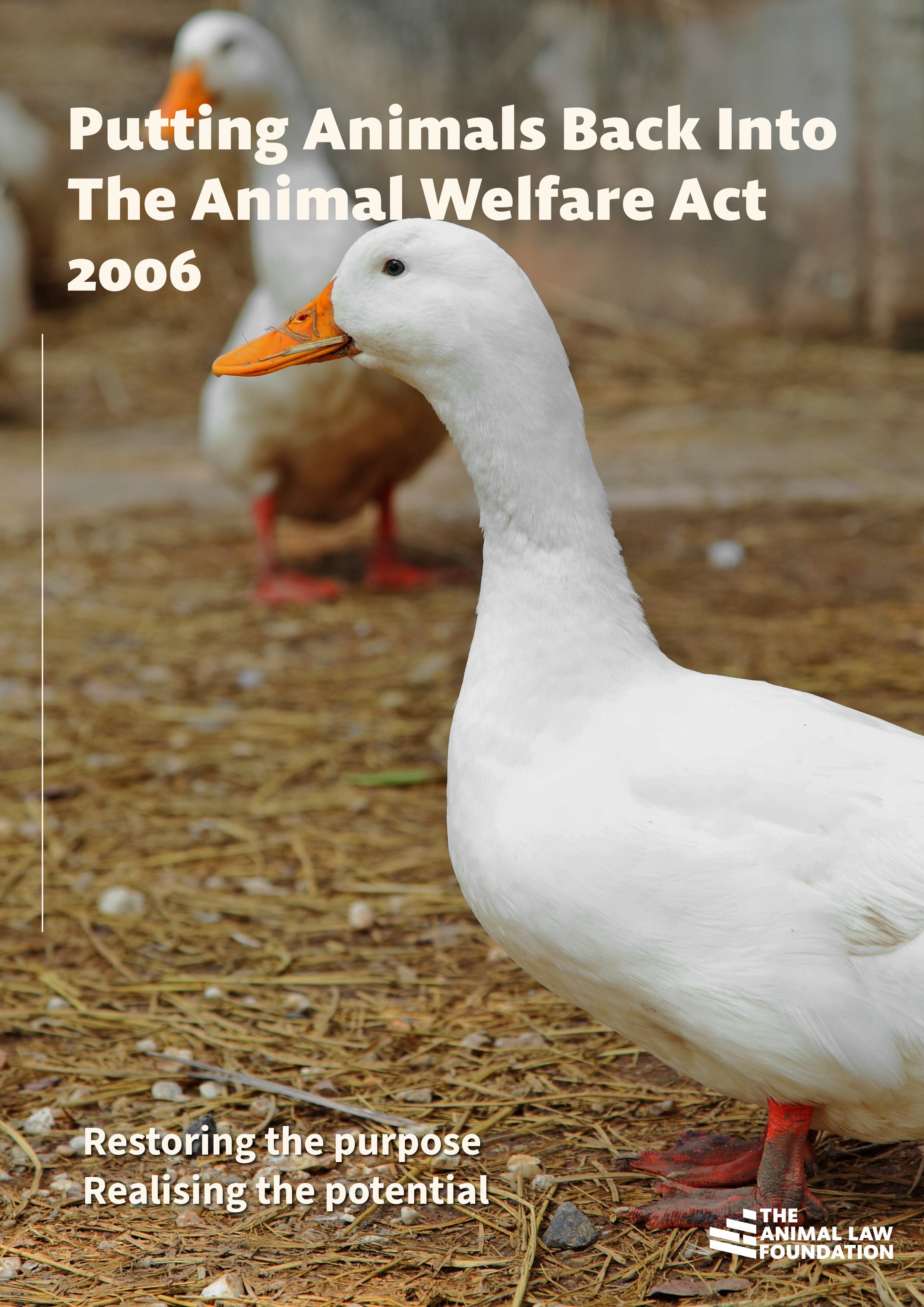
This year marks the 20th anniversary of the Animal Welfare Act 2006 and the Animal Health and Welfare (Scotland) Act 2006.
These key pieces of legislation were created to protect animals from a whole host of maltreatment, such as unnecessary suffering. These Acts also placed a proactive responsibility on the keeper of an animal to meet their welfare needs.
Yet over time, the law has shifted away from its core purpose, bending too often to commercial interests rather than safeguarding the animals themselves.
We are working with organisations across the sector to remind the governments of Great Britain to put animals back into the Animal Welfare Act and Animal Health and Welfare (Scotland) Act, ensuring that the protections for animals provided in law are realised in practice.
The Animal Welfare Act 2006 and The Animal Health and Welfare (Scotland) Act 2006
The Animal Welfare Act 2006 and the Animal Health and Welfare (Scotland) Act 2006 create the main legal framework to protect animals in Great Britain.
Under these Acts, owners and keepers have a duty of care towards animals under their care and must make sure they meet their needs, these include:
a suitable environment
a suitable diet
to exhibit normal behaviour patterns
to be housed with, or apart from, other animals
to be protected from pain, injury, suffering and disease
The Acts also prohibit animal cruelty, which includes causing unnecessary suffering to an animal.
Anyone who does not comply with the Acts may:
be banned from owning animals
face an unlimited fine
be sent to prison for up to 5 years
Key weaknesses in the Acts
Misinterpretation of “unnecessary suffering”. Practices such as the selective breeding of chickens for unnaturally rapid growth or dogs and cats for extreme appearances, and the use of animals in sport or entertainment that compromises welfare, continue for profit or tradition. Yet legal precedent is clear: financial gain cannot justify cruelty. That strong moral standard has been eroded.
Case study
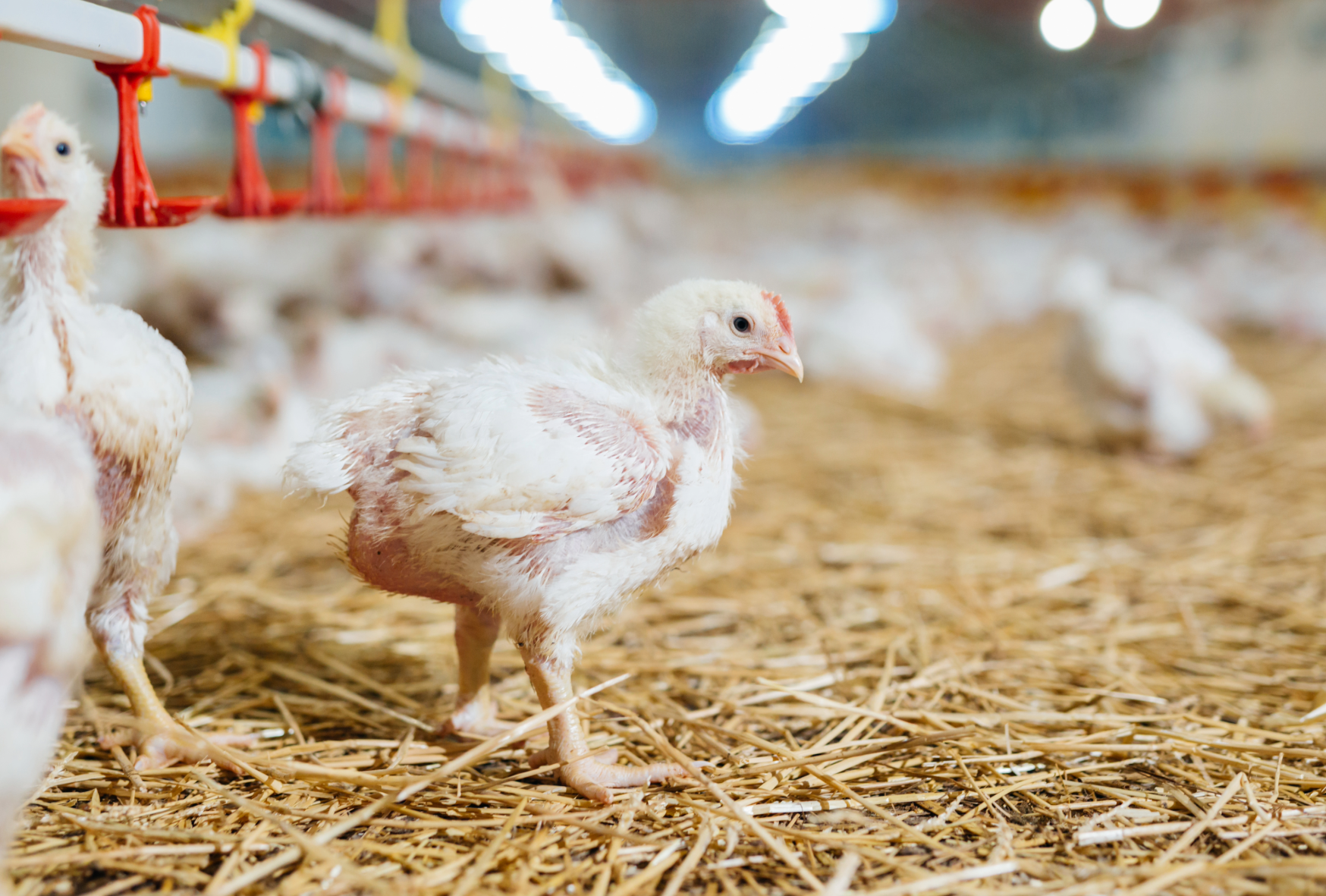
The use of fast-growing chickens in modern farming. Chickens are selectively bred to reach slaughter weight in just five to six weeks, these birds grow so fast that many struggle with painful leg disorders, heart failure, and respiratory issues simply because their growth rate outpaces the development of their bones and organs. This suffering is not necessary, but exists simply for commercial gain.
Failure to enforce welfare needs. Animals are legally entitled to a suitable environment, diet, social contact, and the ability to express natural behaviour. Many farmed and companion animals live in conditions that fail to meet these basic standards, from an inability to express normal behaviours with snakes unable to stretch and birds unable to fly, to unsuitable environments with pigs and chickens confined in cages and social animals, such as rabbits and guinea pigs, being kept in isolation.

Animal Welfare Strategy
There is a growing conversation about modernising animal welfare protections to ensure that they remain fit for purpose and reflect developments in scientific understanding and growing public concern. The UK government has recognised this need and, in December 2025, it published the Animal Welfare Strategy for England.
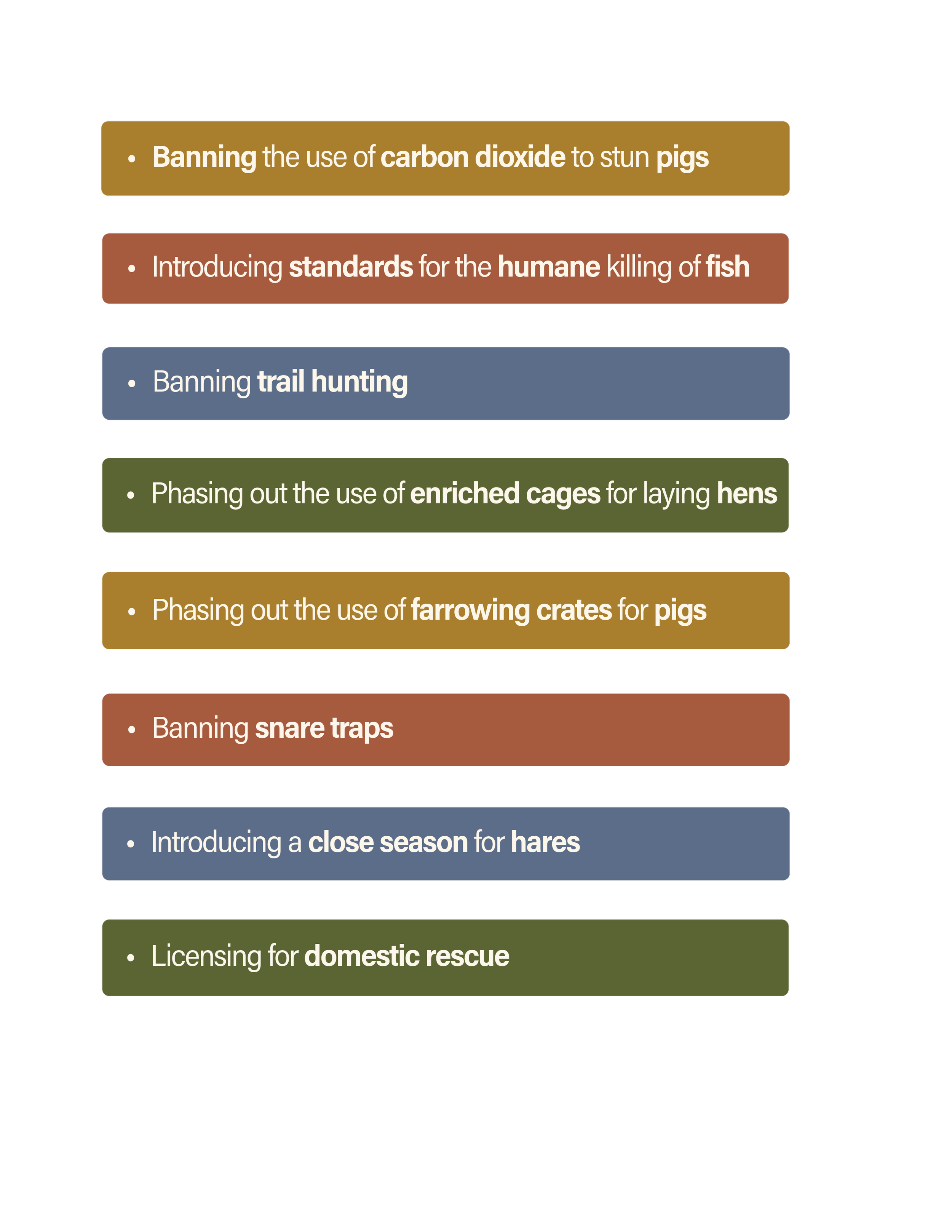
Several of the commitments in the Strategy could be implemented using existing provisions of the Animal Welfare Act 2006 and the regulation-making powers it provides. For example, moving away from the use of carbon dioxide to stun pigs, and introducing standards for the humane killing of fish (both key objectives of the Strategy), are achievable under the Act’s section 12 regulation-making power. Prohibiting killing practices that scientific research has proven to cause unnecessary suffering, and specifying available alternative practices, will promote animal welfare as provided for under section 12 and section 9(2)(e), i.e. protection from pain and suffering.
Phasing out the use of enriched cages for laying hens and farrowing crates for pigs can be achieved by engaging the existing requirements to promote welfare under section 9 of the Act, namely the need for a suitable environment.
The Strategy’s commitments to introduce licensing for domestic rescue and rehoming organisations can be achieved by use of section 13 of the Act. Section 13 provides for the creation of licensing for activities involving animals by way of regulations created by the appropriate national authority, following consultation with such persons appearing to the authority to represent any interests concerned as the authority considers appropriate. Section 13 has been used to licence, among others, breeding dogs, selling animals as pets, hiring out horses, keeping or training animals for exhibition, and providing boarding for cats and dogs under The Animal Welfare (Licensing of Activities Involving Animals) (England) Regulations 2018.
It is clear that the Animal Welfare Strategy can largely be achieved by putting animals back into the Animal Welfare Act.
Commitments in the Strategy include:
It’s time to press the reset button
As the English government works on its Animal Welfare Strategy for England for the next three years and the Scottish Animal Welfare Commission reviews the Animal Health and Welfare (Scotland) Act, there is a real opportunity to challenge how the law is being interpreted and applied, and to demand that it works as it was always intended to.
Weak interpretation and poor enforcement have allowed widespread and avoidable suffering to continue and welfare needs not being met.
The government’s Animal Welfare Strategy for England sets out various commitments such as phasing out cages and improving welfare across sectors. Legal interpretation and powers under the Animal Welfare Act will be the tools to implement many of these commitments.
Coalition work
Led by The Animal Law Foundation and the League Against Cruel Sports, a major coalition of animal protection organisations, lawyers and academics are calling on the UK Government to urgently reset how the law is interpreted and applied, warning that millions of animals are still suffering unnecessarily despite existing legal protections.
In an open letter to the government written by The Animal Law Foundation and supported by over 60 signatories, including organisations, leading legal professionals, veterinarians and animal welfare scientists, it is argued that the Animal Welfare Act was a landmark piece of legislation when it was introduced, but that its full potential has never been realised.
Join our call by sharing this video on any social media platform:
DONATE TO HELP ANIMALS TODAY
Millions of animals are not being properly protected under the law due to misinterpretation and a lack of enforcement of those laws. With your help, we aim to put animals back into the heart of the legislation designed to protect them.